How do I choose the right protective equipment for myself and what do the labels mean?


FFP3, FFP2 EN14683:2019, EN149:2001 Type IIr, BFE98, Type I… HOW DO I CHOOSE THE RIGHT PROTECTOR FOR ME AND WHAT ALL THE MARKINGS ON PROTECTORS MEAN?
Protective equipment is divided into mouth-nose masks, the most common of which are the so-called surgical mask and the fabric "folk mask", and respirators (PPE=Personal Protective Equipment), which completely cover the respiratory tract and are used, for example, in hospitals to treat COVID-19 patients.
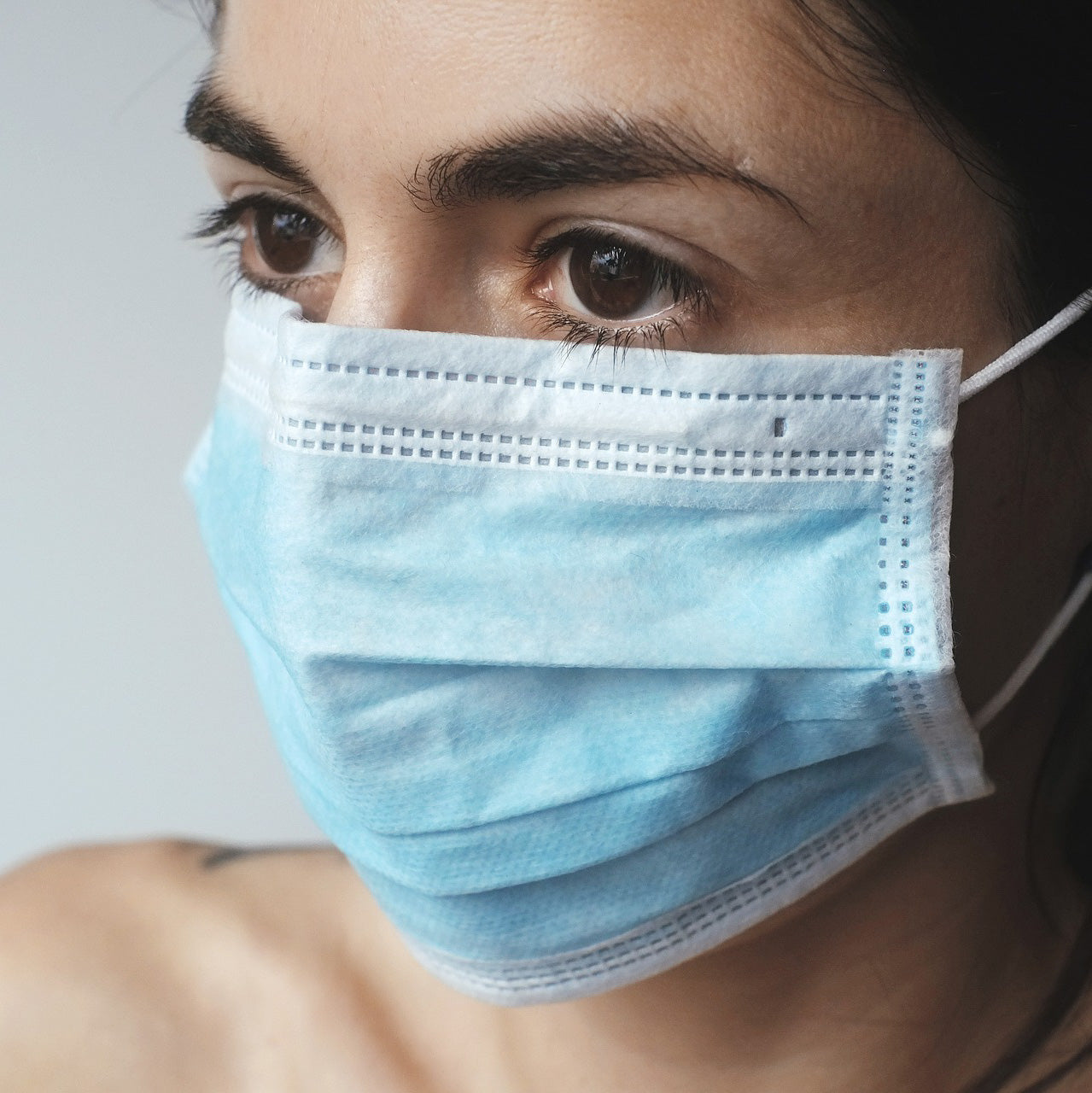
Surgical masks are essential protective equipment for consumers and the healthcare sector. They have been used in hospitals for decades, and based on these experiences, their use is significantly beneficial in both preventing infections and preventing their spread.
The EN14683:2019 directive regulates mouth-nose protection. The most important characteristic is the filtration efficiency, which is expressed in the BFE number. The levels of protection are consumer mouth-nose protection (BFE>80), Type I protection (suitable for care and professional use, BFE>95), Type II (suitable for hospital use, BFE>98) and Type IIr (splash-proof, e.g. protection used in dentists). Products suitable for hospital use must have a CE marking or a FIMEA exemption. There is also a significant difference in the CE markings that is worth paying attention to. The EU has an official list of testing institutes that can give the mark to the most demanding protections.
There are also many other requirements for face masks, for example regarding cleanliness. The BFE number alone does not take any position on these. VTT Finland tests filterability, but is not otherwise an official EU testing institute and therefore cannot issue CE certificates.
Respiratory protection is regulated by the EN149:2001 standard. Respiratory protection is divided into different protection classes, the highest of which is FFP3 (99%), the next most protective FFP2 (95%) and, for example, FFP1 (80%), which is used in some construction work. The protection efficiency of an FFP3 respirator is 99% and, when used correctly, it protects the user completely, for example, in intensive care units where there are a lot of aerosols in the air. FFP3 respirators often have a valve to make breathing easier, because when the respirator is very tight, it is also often harder to breathe. However, any potential infection may spread to the environment through the valve. FFP2 is the most common protection level and, in our opinion, a good level for the consumer, because it is also significantly cheaper.
Respiratory protection devices are strictly regulated and must always be certified by a European testing institute.
There have been many KN95 respirators on the market, which are respirators that meet the Chinese standard. However, their use is also waning in the healthcare sector. The respirator can also meet both KN95 and FFP2 standards. Respirators in Finland are supervised by the Ministry of Health, Welfare and Sport, and more information can be found on their website.
All of our respirators and face shields sold for professional use have the appropriate certificates (TUV). We have also tested our products in Finland at VTT.
However, since, for example, shields sold to consumers are not regulated by EU legislation, the manufacturer can declare the CE marking and also the protection level for the product itself, e.g. BFE>98. When importing, customs mainly aims to ensure that the products have an appropriate test result. However, it is clear that without, for example, a CE certificate from TUV and the factory's ISO 13485:2016 certificate, there may be significant shortcomings in the quality of the products. It is worth being careful and only preferring reliable manufacturers and importers. Shields sold in supermarkets, despite high protection level markings, are often not CE marked in this way by an external party (Notified Body) and are therefore not necessarily suitable for healthcare use.
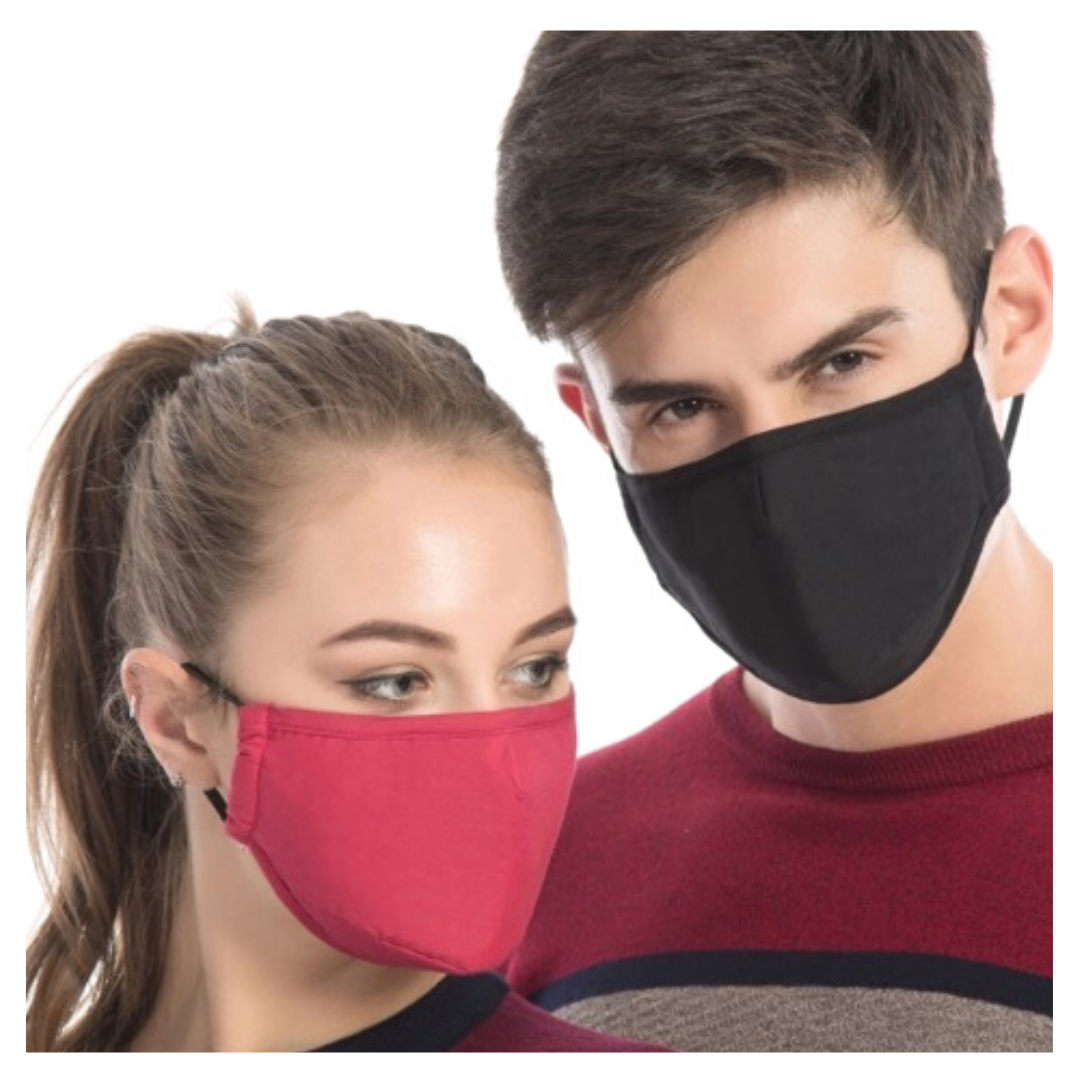
Cloth masks and their properties are not really regulated in any way. In practice, their filtration capacity is between BFE30-BFE80 without a filter. This is of course better than nothing, so their use can be justified, even on public transport. However, it is best to choose a 2-layer mask, as its level of protection is significantly better.
HOW DO I VERIFY THE CE MARKING OF A PRODUCT?
It is worth choosing a product that has a CE marking and meets the EN149:2001 or EN14683:2019 standards. You can see a lot of misleading CE markings on face masks and sometimes also on respirators.
According to Directives 93/42/EEC (MDD) and (EU) 2017/745 (MDR), a product is required to have a CE certificate of conformity on the market. Although lower-level protectors may have their own declaration from the manufacturer/importer, it is naturally significantly better that the confirmation of the protector's conformity is APPROVED by a European testing institute (as required for more demanding protectors), e.g. TUV. No Chinese institute or manufacturer/importer has the right to confirm and a list of approved institutes can be found at the following website:
It is possible for the manufacturer or importer to certify that the product complies with CE standards, but of course this does not necessarily guarantee the high quality of the product in the same way as a CE certificate issued by an official EU registered body, which in practice means regular factory audits. In the highest quality face masks, only a certificate verified by an external testing body gives the right to the CE marking.
Leave a comment (all fields required)
Comments will be approved before showing up.